


Handheld ARC Welder for Efficient Workshop Repairs
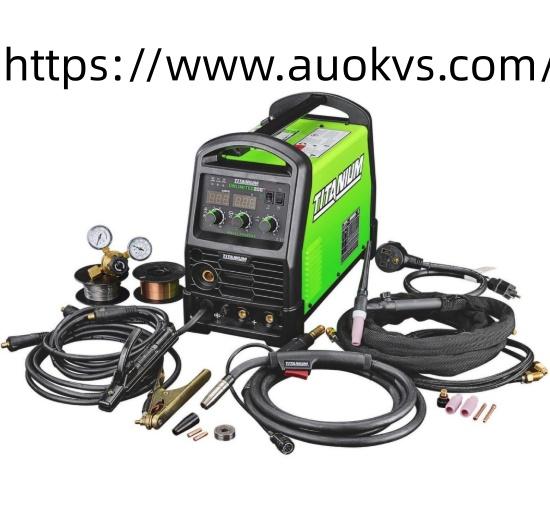
In modern metalworking, equipment portability and reliable welding performance are important considerations for workshops, maintenance teams, and construction professionals. A Handheld ARC Welder provides a practical solution for joining metal components in different working environments, particularly where flexible equipment positioning is required. Choosing a suitable Handheld ARC Welder allows operators to handle repair work, fabrication tasks, and metal assembly projects with greater convenience. Understanding its welding technology, operating characteristics, electrode compatibility, and maintenance requirements can help buyers select equipment that matches their specific applications.
Understanding the Working Principle of Portable ARC Welding
Arc welding uses an electrical arc to generate the heat required to melt and join metal materials. In manual metal arc welding, an electrode creates an arc between itself and the workpiece. The resulting heat melts the electrode coating and base metal, forming a weld pool that solidifies into a joint.
This welding method is widely used in metal fabrication because it can accommodate different working positions and project requirements. It is suitable for various repair and assembly applications involving compatible metal materials.
Portable welding equipment makes this process more convenient when operators need to move between workstations or perform repairs away from a fixed production line. Its compact structure can also help reduce equipment handling difficulties in workshops with limited space.
Portability and Convenience in Different Working Environments
Equipment mobility is an important factor when choosing welding machinery. Traditional industrial welding systems may require dedicated installation areas, while compact handheld models offer greater flexibility for smaller projects and maintenance activities.
A lightweight welding machine can be easier to transport between construction sites, repair stations, and fabrication workshops. This feature is especially useful when working on metal structures that cannot be moved easily to a centralized welding area.
The design of the carrying structure, control panel, and connection terminals also influences everyday convenience. Clearly arranged controls allow operators to adjust welding settings more efficiently, while accessible connections simplify the setup process.
Before purchasing, buyers should consider machine dimensions, overall weight, power supply requirements, and the intended working environment.
Welding Current Adjustment and Electrode Compatibility
Different welding tasks require different current settings. Material thickness, electrode diameter, joint configuration, and welding position all influence the appropriate operating parameters.
An adjustable current range gives operators more control over the welding process. Lower current settings may be suitable for certain thinner materials and smaller electrodes, while thicker workpieces may require higher current according to the electrode manufacturer's recommendations.
Electrode compatibility is equally important. Buyers should confirm which electrode types and diameters are supported by the machine before selecting a model. Using appropriate electrodes helps establish a stable arc and achieve suitable weld formation.
Operators should also follow recommended welding procedures and adjust parameters through practical testing on compatible materials.
AUOKVS Welding Equipment for Workshop Applications
AUOKVS provides welding equipment designed for different metalworking and fabrication requirements. Its handheld welding machine is worth considering for users who need a compact solution for maintenance, repair, and general metal joining tasks.
When evaluating a model, buyers should examine rated input voltage, output current range, duty cycle, electrode compatibility, and protection functions. These specifications provide useful information about the machine's operating capabilities and suitability for different applications.
For distributors and professional users, product consistency and technical support are also important purchasing considerations. Clear product documentation helps buyers understand operating procedures, connection requirements, and maintenance recommendations.
Selecting equipment according to actual workshop needs can help improve purchasing decisions and avoid unnecessary specification mismatches.
Safe Operation and Routine Equipment Maintenance
Safe operation is essential when working with electrical welding equipment. Operators should wear appropriate welding helmets, protective gloves, flame-resistant clothing, and suitable footwear. Work areas should also have adequate ventilation and protection against sparks and fire hazards.
Before starting a welding task, users should inspect power cables, electrode holders, grounding connections, and machine terminals. Damaged electrical components should be repaired or replaced before operation.
Regular maintenance can help preserve equipment condition. Removing accumulated dust, checking ventilation openings, and inspecting cable connections are useful routine practices. Operators should also avoid blocking cooling passages and follow the manufacturer's recommendations regarding operating time and duty cycle.
A suitable welding machine combines practical portability, adjustable output, compatible electrodes, and convenient maintenance. Whether used for workshop fabrication, equipment repair, or construction-related metalwork, selecting the correct specifications is essential for achieving consistent results. To explore additional welding machines and product information, visit https://www.auokvs.com/ and discover equipment options for different metal fabrication requirements.

 Arabic
 French
 Spanish
 Portuguese
 Deutsch
 Turkish
 Dutch
 Italiano
 Russian
 Romaian
 Portuguese (Brazil)
 Greek
