


Dairy Alternatives Market Opportunities Across Milk, Cheese, and Yogurt
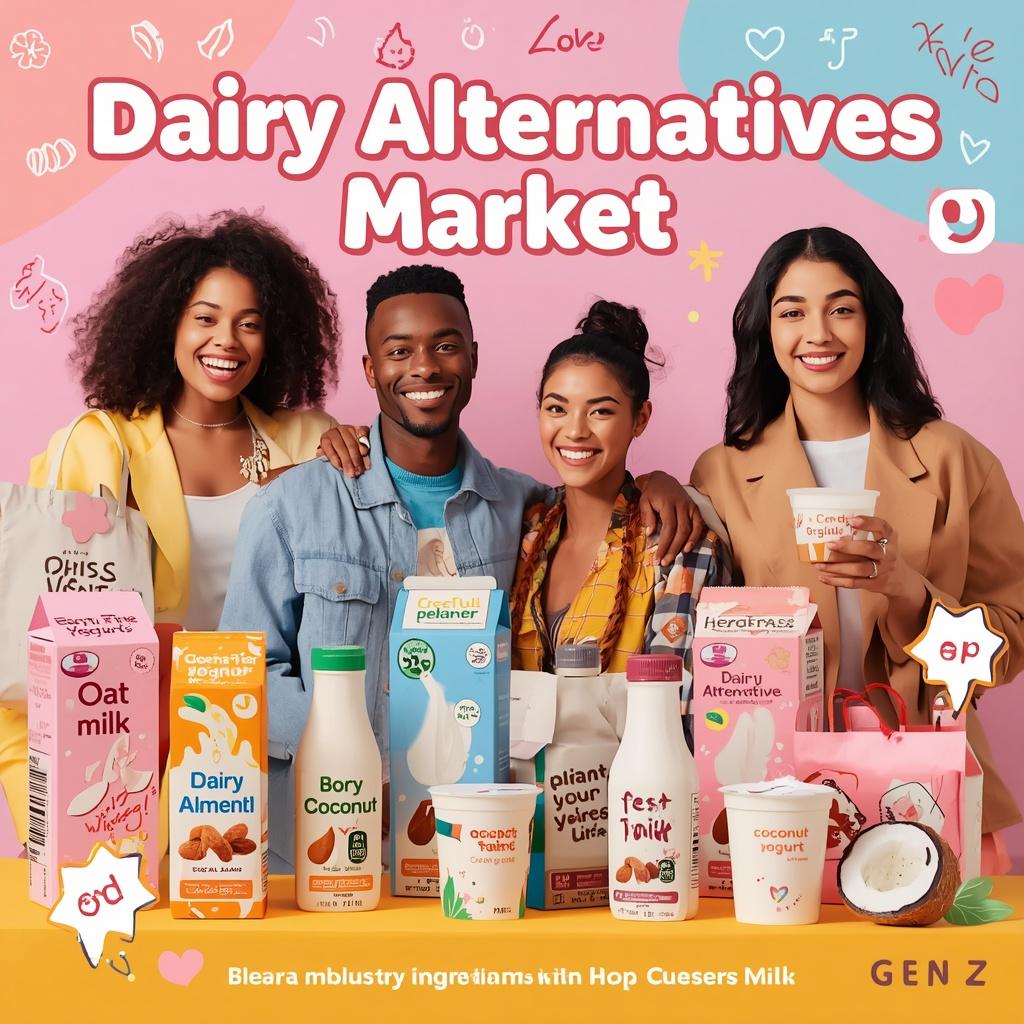
eriencing growing interest in products that provide consumers with more choices around ingredients and dietary preferences. Dairy alternatives are part of this development, creating opportunities for manufacturers, ingredient suppliers, packaging companies, retailers, and foodservice operators. The category includes plant-based milk, yogurt, cheese, cream, butter alternatives, and frozen desserts, each serving different consumption occasions.
The expanding market for plant-based dairy alternatives offers businesses opportunities to develop specialized products and reach consumers with varied expectations. Some customers seek alternatives for everyday beverages, while others want dairy-free ingredients for cooking, snacking, or desserts. Understanding these different needs can help companies build focused product portfolios and improve customer engagement.
Opportunities in Plant-Based Milk
Plant-based milk is an important product category because it can be used in many familiar ways. Consumers may add it to coffee, tea, cereals, smoothies, sauces, and baked foods. Manufacturers can develop products using soy, almond, oat, coconut, rice, and other plant ingredients.
Each source offers a different taste and texture profile. This creates opportunities for companies to position products around particular applications. For example, a beverage designed for coffee may prioritize smooth blending and foam performance, while a product for breakfast cereals may focus on flavor and everyday convenience.
Packaging is another area of opportunity. Manufacturers can consider cartons, bottles, single-serve formats, and larger household packs. Different packaging options can serve supermarkets, convenience stores, cafés, hotels, and institutional buyers.
Expanding the Plant-Based Yogurt Segment
Plant-based yogurt offers opportunities in breakfast, snacking, and dessert applications. Manufacturers can develop plain, fruit-flavored, creamy, and blended varieties. Product presentation and texture are particularly important because consumers often compare these alternatives with familiar yogurt experiences.
Ingredient selection and production methods influence the final product. Companies must consider consistency, flavor balance, stability, and storage requirements. Clear labeling can help consumers understand the plant source and ingredients used.
Businesses can also explore different package formats. Small containers may suit individual consumption, while larger packs can appeal to families and foodservice customers. The ability to offer variety without compromising quality can support stronger brand recognition.
Innovation in Plant-Based Cheese
Plant-based cheese presents an opportunity for manufacturers interested in product development and specialized food applications. Consumers may use these products in sandwiches, pizzas, pasta, snacks, and home cooking.
Creating a satisfying cheese alternative involves several formulation challenges. Texture, flavor, spreadability, slicing, and melting behavior can all influence consumer acceptance. A product designed for sandwiches may require different characteristics from one intended for cooking.
Manufacturers can develop products for specific applications rather than expecting one formulation to serve every purpose. Clear instructions can also help consumers understand how a product performs in different recipes. This practical approach may improve the overall customer experience.
Opportunities in Creamers, Butter, and Desserts
Beyond milk, yogurt, and cheese, other dairy-free products can broaden a company's portfolio. Plant-based creamers can serve coffee shops and home beverage users. Butter alternatives can be positioned for spreading, cooking, and baking, while dairy-free ice cream and desserts can appeal to consumers looking for different frozen treats.
These categories provide opportunities for flavor innovation and seasonal product development. Companies can experiment with ingredient combinations, packaging designs, and serving formats while maintaining clear product information.
Distribution and Retail Strategies
A strong distribution strategy is essential for making dairy alternatives accessible. Supermarkets and grocery stores can introduce products to mainstream shoppers, while specialty retailers can serve customers looking for particular ingredients or formulations.
Online retail can help brands reach consumers beyond their immediate geographic area. Product pages can provide ingredient details, preparation suggestions, storage instructions, and recipe ideas. This information is especially useful for customers who are trying an unfamiliar product for the first time.
Foodservice distribution is another important opportunity. Cafés, restaurants, bakeries, hotels, and catering businesses may require products designed for professional kitchens. Suppliers can build relationships by offering consistent quality, suitable packaging, and dependable delivery.
Challenges Businesses Must Address
The category has several practical challenges. Ingredient sourcing, production costs, shelf life, taste expectations, and product consistency can influence business performance. Manufacturers must also communicate the differences between plant-based products clearly, especially when nutritional composition varies by ingredient and formulation.
Companies that invest in quality control, consumer research, and application-focused development may be better positioned to respond to changing expectations.
Conclusion
The dairy alternatives market offers opportunities across milk, yogurt, cheese, creamers, butter alternatives, and desserts. Growth opportunities are not limited to product manufacturing; they also extend to ingredients, packaging, retail, online commerce, and foodservice distribution. Businesses that understand consumer needs and deliver reliable, appealing products can build a stronger presence in this evolving category.
Frequently Asked Questions
Q1. Which product categories are included in the dairy alternatives market?
The category includes plant-based milk, yogurt, cheese, cream, butter alternatives, ice cream, and other dairy-free products made using plant-derived ingredients.
Q2. What business opportunities exist in the dairy alternatives industry?
Opportunities include product innovation, ingredient development, packaging, retail distribution, online sales, foodservice supply, and the development of alternatives for specific cooking and beverage applications.

 English
 Arabic
 French
 Spanish
 Portuguese
 Deutsch
 Turkish
 Dutch
 Italiano
 Russian
 Romaian
 Greek
