


How Plant-Based Food Innovation Is Expanding Wheat Protein Demand
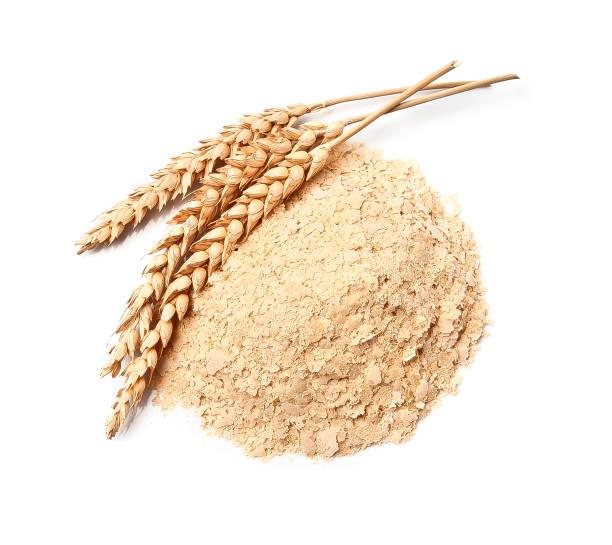
Wheat Protein Market is becoming an important part of the evolving plant-based food industry as manufacturers explore ingredients that can support product functionality and consumer demand for diversified protein sources. The increasing popularity of meat alternatives, protein-enriched foods, and convenient packaged products is encouraging food companies to reconsider their ingredient strategies. Wheat protein offers useful functional characteristics for different food applications, particularly those requiring structure and texture. Its use across bakery products, meat substitutes, and specialty food formulations is creating opportunities for ingredient suppliers. As food innovation continues expanding, manufacturers are exploring new applications to strengthen their product portfolios.
One important development supporting this industry is the increasing demand for wheat-based protein alternatives. Consumers are showing greater interest in plant-derived food ingredients, while manufacturers are looking for solutions that can support different product formulations. Wheat protein is being explored in meat alternatives, bakery products, and protein-enriched foods because of its functional properties. Food developers are also combining it with other plant proteins to achieve desired product textures and characteristics. This approach allows manufacturers to create differentiated products for consumers seeking alternatives to conventional animal-based food options.
The meat alternative segment is providing new opportunities for wheat protein manufacturers. Food companies are developing plant-based products designed to replicate selected characteristics of traditional meat products. Wheat protein can contribute to the structure and texture of certain meat-style formulations. Manufacturers are experimenting with ingredient combinations and processing approaches to improve product consistency and consumer acceptance. The growing availability of plant-based meals through supermarkets, restaurants, and online food platforms is also encouraging category development. As competition increases, companies are focusing on taste, texture, convenience, and nutritional positioning to differentiate their products.
Bakery applications continue to represent an established area of wheat protein utilization. Commercial bakeries depend on ingredients that provide consistent dough performance and finished-product characteristics. Wheat protein is relevant to formulations where gluten functionality and structural properties are required. Manufacturers are exploring its use across bread, bakery mixes, specialty baked goods, and selected packaged products. Growth in convenient bakery consumption is encouraging food processors to improve production efficiency and ingredient selection. Suppliers that can provide consistent product specifications may strengthen relationships with commercial bakeries and industrial food manufacturers.
Consumer interest in protein-rich diets is also influencing food innovation. Manufacturers are introducing snacks, prepared foods, and nutritional products designed for consumers seeking convenient sources of protein. Wheat protein can be considered in selected formulations where its functional characteristics meet product requirements. Food companies are exploring different product formats, including savory snacks, protein-enriched bakery items, and ready-to-eat foods. However, nutritional positioning must consider the complete formulation rather than relying on a single ingredient. Companies are therefore focusing on balanced product development and clear communication of nutritional information.
Ingredient technology is becoming increasingly important as manufacturers seek improved functionality. Processing innovations can help ingredient suppliers develop products with characteristics suited to specific industrial applications. Research activities are also examining how wheat protein can be combined with other ingredients to improve formulation performance. Food manufacturers must consider solubility, texture, processing compatibility, and the intended finished product when selecting ingredients. Effective collaboration between suppliers and product development teams can support faster innovation and improve commercial product development.
Regional demand is shaped by different dietary patterns and food manufacturing structures. North America has a developed market for plant-based food products and alternative protein ingredients. Europe offers opportunities through its established bakery sector and increasing availability of meat substitutes. Asia-Pacific is becoming increasingly relevant because of growing packaged food consumption and changing dietary preferences. Other emerging markets are also exploring plant protein applications as food processing industries expand. Companies must evaluate regional demand, food safety standards, and consumer preferences before entering new markets.
The Wheat Protein Market is expected to benefit from continued innovation across plant-based food products and diversified protein applications. Manufacturers are likely to explore improved formulations, expand ingredient partnerships, and develop products for emerging food categories. The combination of functional performance and application versatility may support additional commercial opportunities. Nevertheless, companies must address gluten-related dietary restrictions, competition from other plant proteins, and formulation challenges. Businesses that focus on product quality, research, and customer-specific ingredient solutions may strengthen their position in the changing global food industry.
Frequently Asked Questions
How does plant-based food innovation affect wheat protein demand?
It encourages manufacturers to explore wheat protein in meat alternatives and protein-enriched foods.
Can wheat protein be used in meat substitutes?
Yes, it is used in selected formulations to support texture and structure.
What is an important consideration when using wheat protein?
Gluten content and formulation compatibility must be considered.

 English
 Arabic
 French
 Spanish
 Portuguese
 Deutsch
 Dutch
 Italiano
 Russian
 Romaian
 Portuguese (Brazil)
 Greek
