


KI Detector: A Practical Way to Understand Modern Written Content
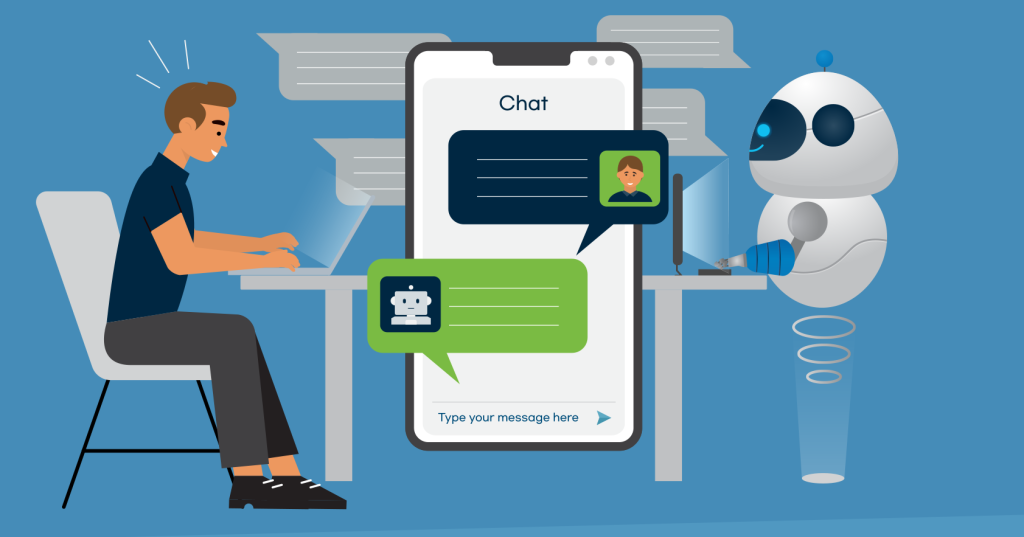
The way people create written content has changed dramatically. A person can now write an article from scratch, use digital writing assistants, or combine their own ideas with suggestions from artificial intelligence. This has made writing faster, but it has also created a new question: how can you tell where a piece of text may have come from?
This is where a KI detector can become useful. Rather than simply looking at spelling or grammar, these tools examine patterns within written language and estimate whether the text shows characteristics commonly associated with AI-generated writing.
What Is a KI Detector?
A KI detector is an online tool designed to examine text and identify signals that may indicate artificial intelligence was involved in producing it. The term “KI” is commonly associated with artificial intelligence in German-speaking contexts, while the technology itself works similarly to AI detection tools used in other languages.
When text is submitted, the system can assess factors such as sentence structure, word choices, predictability, repetition, and overall writing patterns. It then provides an estimate rather than an absolute judgment.
That distinction matters. A detection result should be treated as an indication, not as unquestionable proof about who or what wrote a particular passage.
Why Are These Tools Becoming Popular?
AI-assisted writing is now found in many places, from blog posts and marketing material to student assignments and business documents. As its use has expanded, people have become more interested in understanding the origin and character of written material.
For editors, a detection tool can provide another layer of review. Teachers may use one as part of a broader evaluation process. Content teams can also use it when checking whether an article sounds overly automated or lacks the natural variation expected from a human writer.
For everyday writers, the benefit can be different. A KI detector can encourage them to review their own work and make sure the final version reflects their personal voice.
How Does a KI Detector Examine Text?
There is no single feature that gives away AI-written material. Instead, detection systems generally look for a combination of linguistic signals.
For example, AI-generated writing can sometimes follow highly predictable sentence patterns. It may use similar transitions repeatedly or maintain an unusually consistent structure from beginning to end. Human writing, on the other hand, often contains more unexpected wording, uneven sentence lengths, personal expressions, and subtle changes in tone.
A detection system may analyze these characteristics and calculate a probability score.
However, language is complicated. A carefully edited human article can appear highly polished and predictable, while AI-generated content can be rewritten until it sounds much more natural. This is why detection results should always be interpreted alongside context.
Who Can Benefit From Using One?
A KI detection tool can be useful for several types of users.
Students and educators can use it as one supporting resource when discussing originality and responsible use of AI.
Content writers and editors can review drafts for language that feels repetitive, generic, or disconnected from the intended audience.
Businesses can use detection as part of a larger editorial workflow when maintaining a consistent brand voice matters.
Publishers and website owners may also find it helpful when reviewing large amounts of content before publication.
The key is to use the tool as a review assistant rather than allowing a single score to make an important decision.
Can a KI Detector Always Be Trusted?
No detection system is perfect. Human writing can sometimes receive an AI-like result, especially when it is formal, highly structured, short, or heavily edited. Likewise, AI-assisted text may pass as human after substantial rewriting.
Language also varies between writers, subjects, and cultures. A tool that performs well on one type of content may behave differently with another.
For that reason, the smartest approach is to combine detection with human judgment. Look at the author's writing history, compare the tone with previous work, examine the development of ideas, and consider how the content was produced.
Making Detection Part of Better Writing
The real value of a detector IA goes beyond receiving a percentage or score. It can encourage writers to think more carefully about originality, voice, and quality.
Instead of asking only, “Does this sound like AI?” a better question is, “Does this sound like me?”
Strong content should have a clear purpose, useful information, natural language, and a recognizable voice. Whether artificial intelligence was involved or not, those qualities are what make writing worth reading.
As digital writing continues to evolve, detection tools will likely become another part of the modern content landscape. Used responsibly, a KI detector can help people examine their writing more closely while keeping human judgment at the center of the process.

 English
 Arabic
 French
 Spanish
 Portuguese
 Deutsch
 Turkish
 Dutch
 Italiano
 Russian
 Portuguese (Brazil)
 Greek
